
The Wright Stuff
Tuesday, August 4, 2026
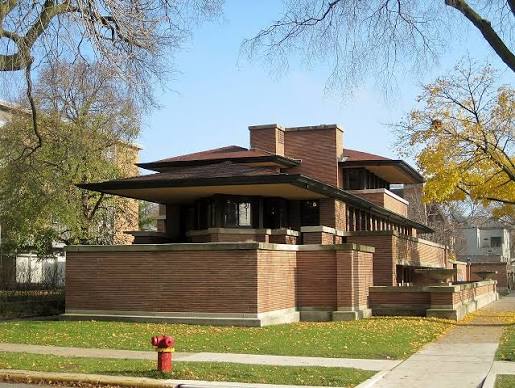
Back in 2018, Stef and I took a mini-vacay to Chicago. We took in the South Side, visited the campus of the University of Chicago and toured the Robie House, designed by Frank Lloyd Wright.
(Some of the photos in this post are not mine.)
It was totally amazing that the house and interiors had been built way back in 1910! It is described as one of Wright’s best “Prairie Style” buildings.
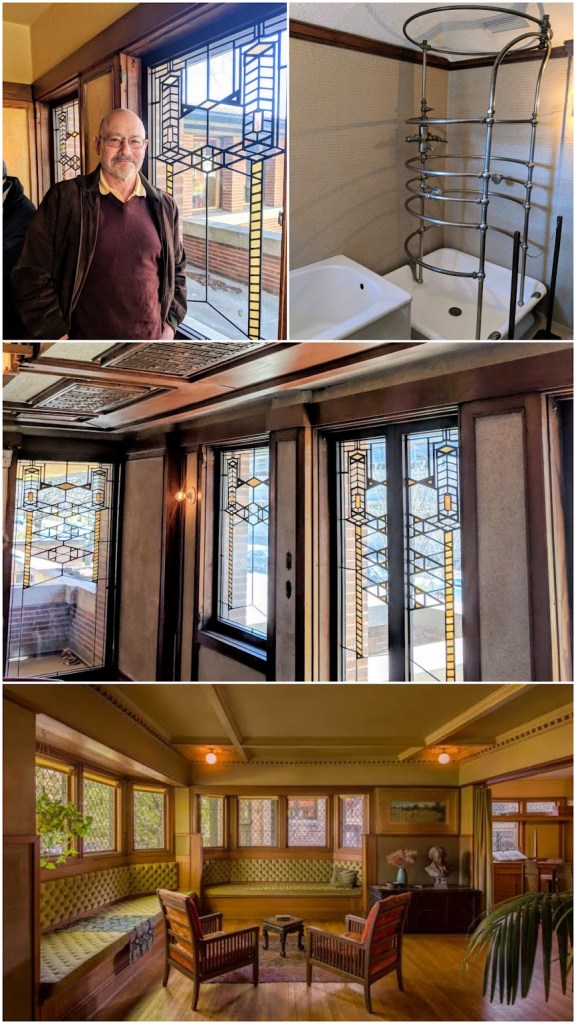
Later on, in 2020, during the pandemic, vacation travel was…uh… discouraged and even prohibited. However, some states lifted travel restrictions on neighboring states. Such an arrangement was effected between New York and Pennsylvania. Travel-starved, we decided to don our masks, pack our hand sanitizer and head for Pittsburgh.
Since, after Chicago, we were hooked on Frank Llloyd Wright, our first stop in Pittsburgh was the famous Wright home, “Fallingwater,” just outside of Pittsburgh, in Mill Run, PA, and built in the 1930s:
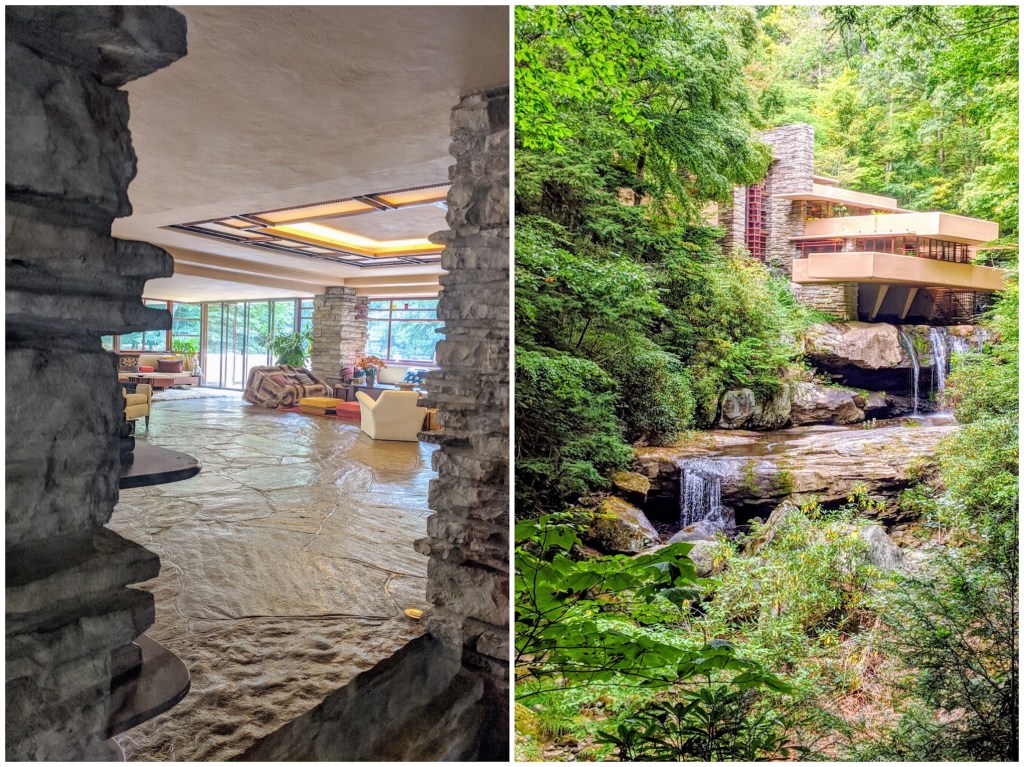
Because of Covid restrictions, we weren’t allowed inside. But we were able to peek in and sneak a photo or two (above, left). Again, mind-blowing!
Some background: Frank Lloyd Wright (1867–1959) was an American architect, designer, writer, and educator.
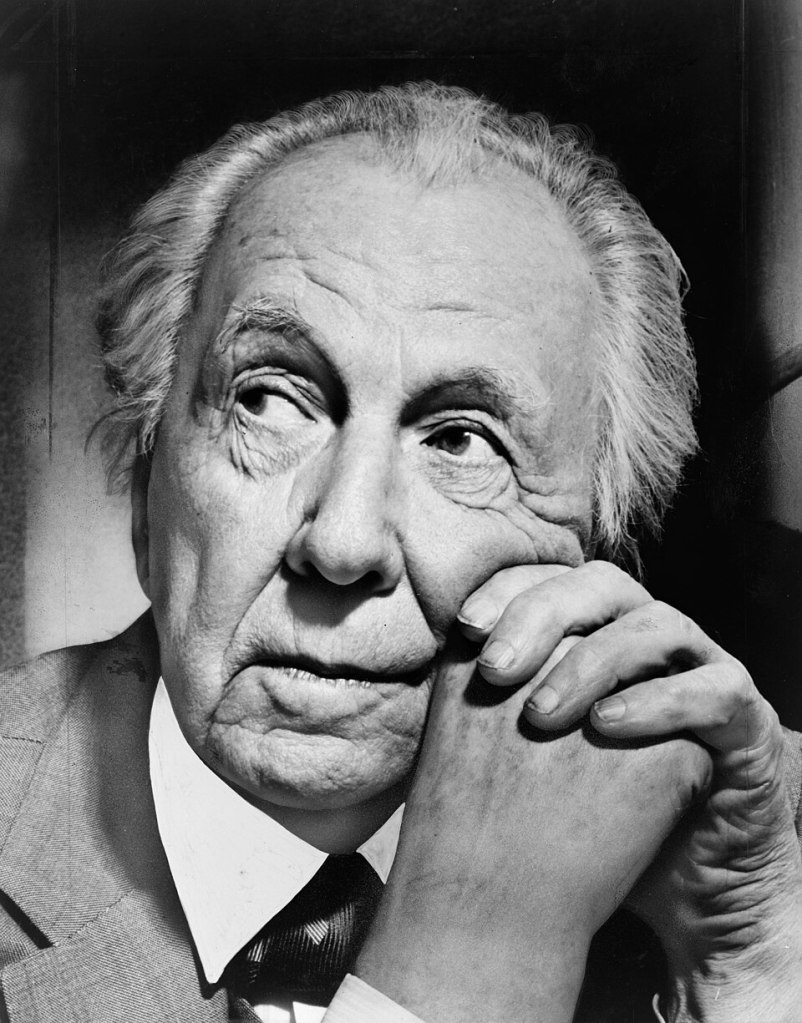
Over a period of seventy years, he designed more than a thousand buildings, including New York City’s Solomon R. Guggenheim Museum.
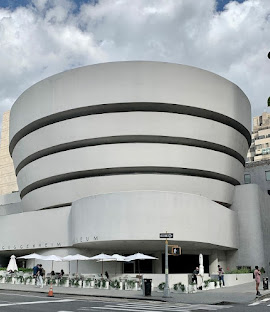
He is considered by some to be the greatest American architect in history. He founded the school of Organic Architecture, which involves structures that blend with the terrain. Rooms are connected by airy open floor plans. Buildings are generally low-rise and make use of local materials that make the occupant feel connected to nature.
As confirmed Frank Lloyd Wright “junkies,” Stef and I were intrigued to read about a tour, organized by untappednewyorktours.com, of a Wright-designed home in Lake Mahopac, about an hour’s drive north of the City, in Putnam County.
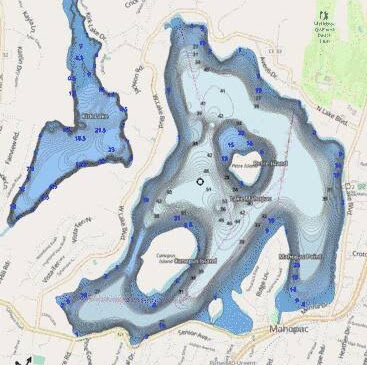
The smaller white heart-shaped body in the upper right part of the lake is Petra Island.
Engineer Ahmed Chahroudi (a client of Wright’s) purchased Petra Island in the 1940s. In 1949, he commissioned Wright to design a residential compound (“spare no expense”) on the island. Or so they planned…..
They found that the local zoning ordinances had set-back requirements that would have made the planned house impracticable. As a fall-back position, they decided to build a smaller guest house, which would comply with the set-back rules.
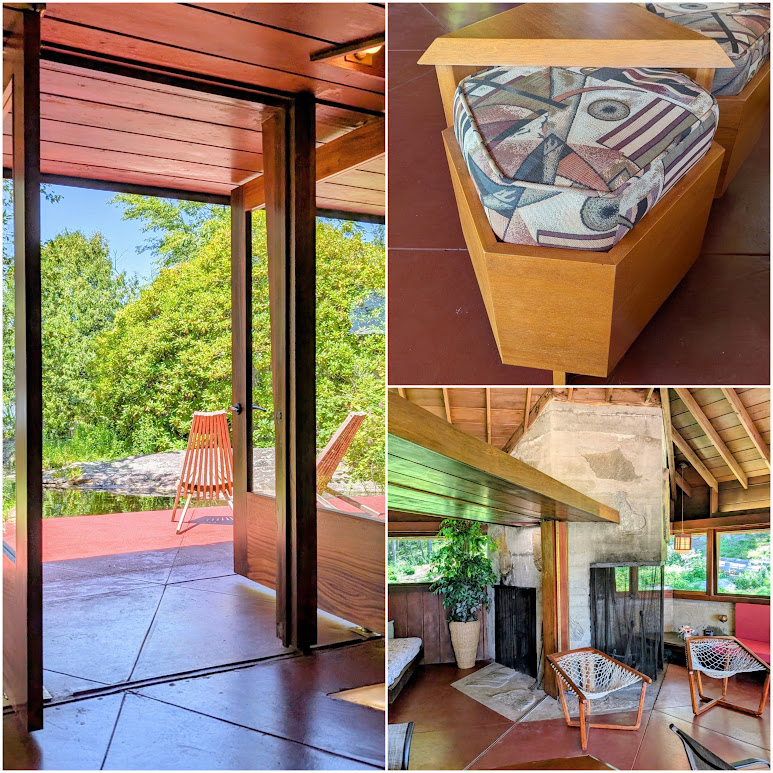
It was hoped that the Chahroudi Cottage (built between 1951 and 1953) could constitute a sort of “anchor” structure, i.e., something that might allow them to construct the main house (already rendered in Wright’s architectural plans) at a later date.
Um……much later.
In 1991, Petra Island was purchased by Joe Massaro. He managed to acquire the plans and drawings that Wright (who died in 1959) had prepared back in 1950 for Mr. Chahroudi.
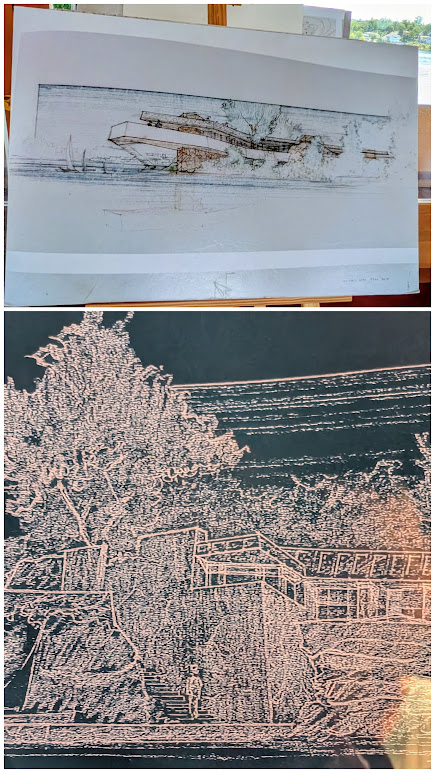
(The small human figure at the bottom of the lower picture, above, is possibly Frank Lloyd Wright himself.)
Mr. Massaro, a local construction worker and sheet metal contractor, took on the challenge. With skill, ingenuity, pluck and determination (including figuring out how to have materials delivered to the island by truck over winter ice!), he was able to construct the house in substantial accordance with Wright’s designs. It was completed in 2007, almost 50 years after Wright’s death. Mr. Massaro continues to reside on the property, and he and his family provide fascinating tours for Frank Lloyd Wright fans and aficionadi.
Like the Robie House in Chicago, the Massaro House (as it is now known) is breathtaking. I won’t take up your valuable time with a guided tour. The photos below speak for themselves.
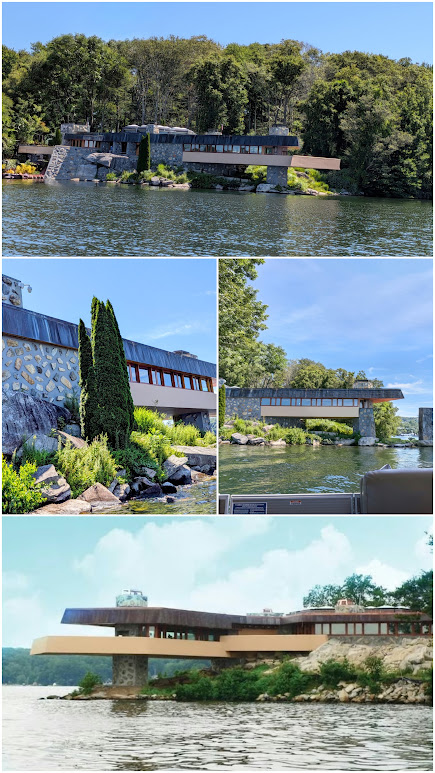
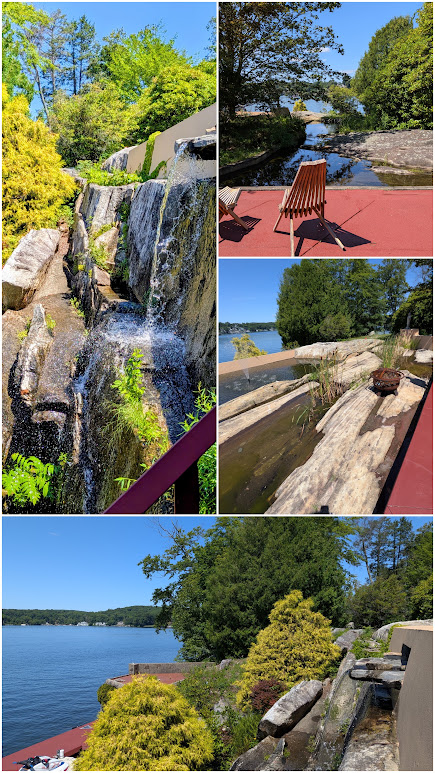
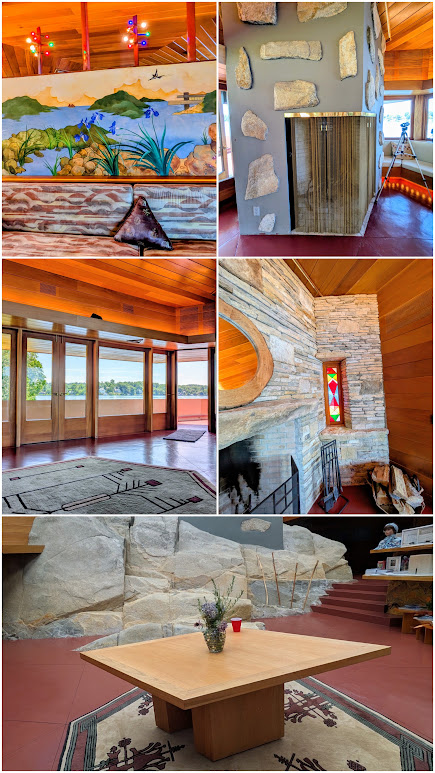
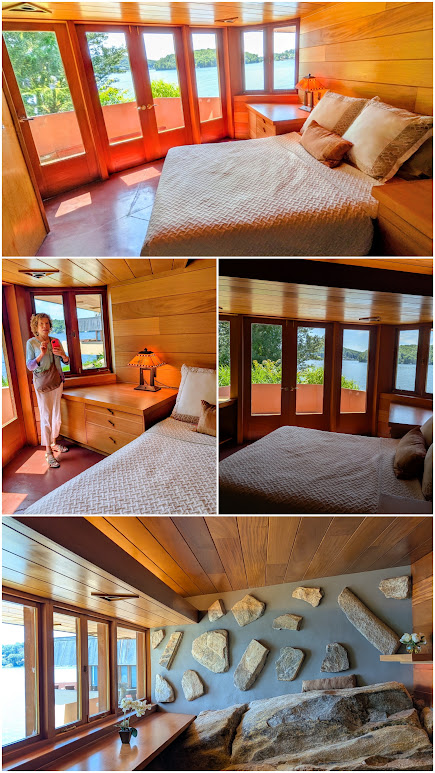
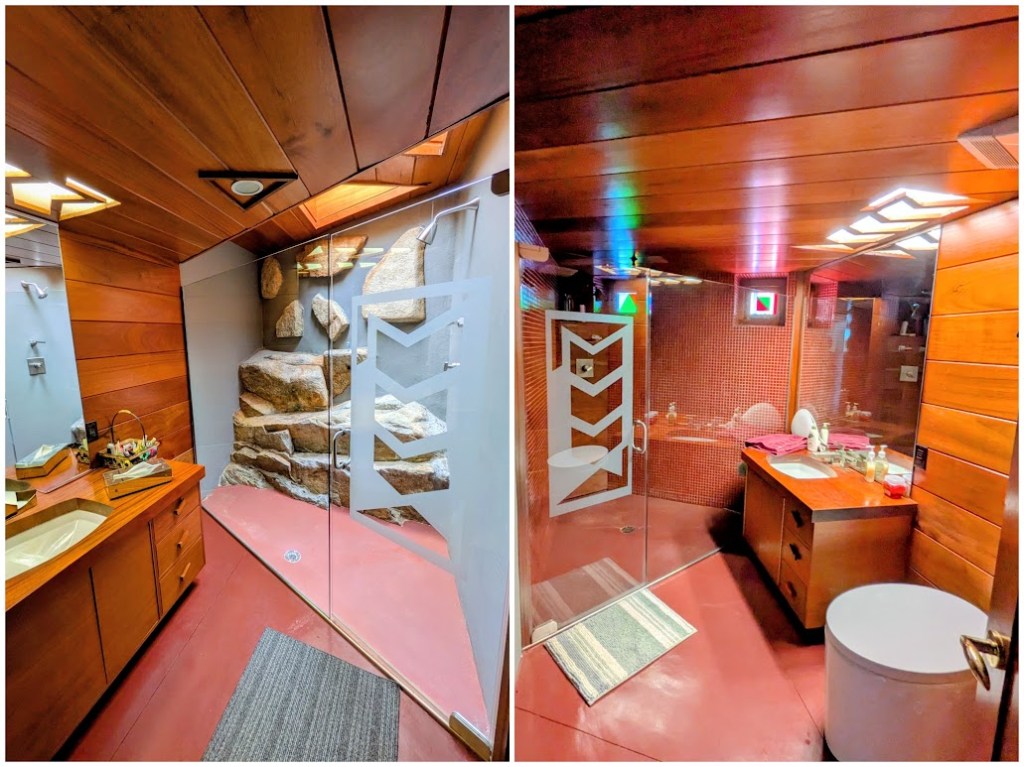
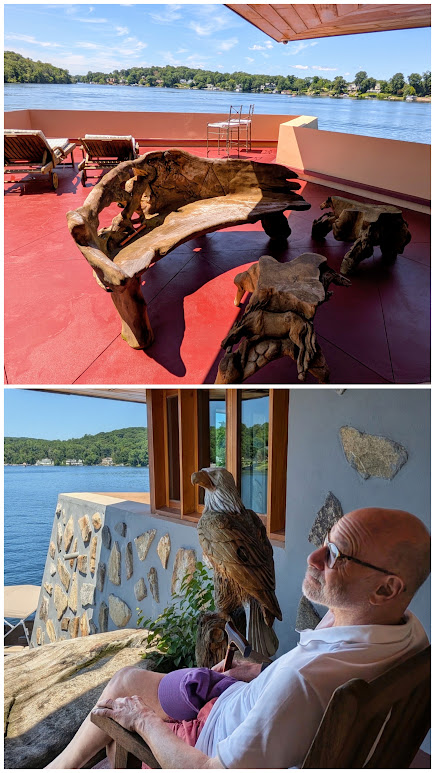
Words couldn’t do it justice, right? (Or “Wright?” – Groan!)
If you’re interested, you can arrange to see the place yourself, through wrightoverwater.com. Enjoy!
Oh, as noted in a previous post, Stef and I are going back to Chicago at the end of this month. Included in the Road Scholar “Art and Architecture” tour is an excursion to Frank Lloyd Wright’s house and studio in Oak Park, IL, known for the largest concentration of FLW homes and buildings.
And maybe we’ll make another visit to the Robie House? I mean…really….? How could we not? Stay tuned!


Leave a Reply